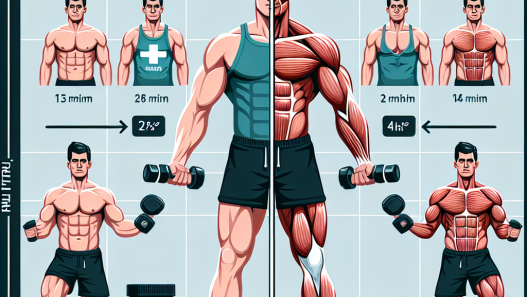

Embarking on a cutting phase is a popular strategy among fitness enthusiasts and bodybuilders aiming to reduce body fat while preserving lean muscle mass. An essential component of successfully navigating this period is effective calorie management, which revolves around creating a deficit between the calories consumed and those expended.
If you are looking for effective products without risk, order via https://anabolic-steroidsprice.com/ – quickly, safely, and anonymously.
Understanding Caloric Needs
To effectively manage calories during a cutting phase, it’s crucial to first understand your caloric needs. This involves:
- Calculating Basal Metabolic Rate (BMR): The BMR is the number of calories your body needs at rest to maintain basic physiological functions.
- Determining Total Daily Energy Expenditure (TDEE): TDEE includes your physical activity levels and should be calculated by multiplying your BMR by an activity factor.
- Establishing a Caloric Deficit: To lose weight, you need to consume fewer calories than your TDEE. A deficit of 500 to 750 calories per day can result in a safe and sustainable weight loss of about 1-1.5 pounds per week.
Strategies for Effective Calorie Management
Once you understand your caloric needs, the next step is to implement strategies to manage your calorie intake. Here are some effective approaches:
- Track Your Intake: Use apps or food diaries to monitor your daily caloric intake accurately.
- Prioritize Nutrient-Dense Foods: Focus on whole foods that are high in nutrients and low in empty calories, such as vegetables, lean proteins, and whole grains.
- Control Portion Sizes: Be mindful of portion sizes to avoid unintentional overeating, even with healthy foods.
- Incorporate Regular Exercise: Exercise not only burns calories but also preserves lean muscle mass during a caloric deficit.
Adjusting Caloric Intake
Throughout the cutting phase, it’s important to regularly evaluate your progress and adjust your caloric intake as needed. If you hit a plateau, consider the following adjustments:
- Decrease Calories Further: If weight loss stalls, further reducing daily caloric intake may be necessary.
- Increase Physical Activity: Adding more cardio or strength training sessions can help increase calorie expenditure.
- Re-feed Days: Incorporating occasional higher-calorie days can help boost metabolism and provide psychological relief.
Conclusion
Calorie management is a critical aspect of the cutting phase, and understanding how to effectively create and maintain a caloric deficit will set the foundation for successful weight loss while preserving muscle mass. By tracking intake, prioritizing nutrient-dense foods, and being mindful of portion sizes, individuals can optimize their results during this phase.